“We waste energy policing opinions, while the real damage comes from the coercion of bullying.”
_________________________
Much of our social conflict today is framed in terms of prejudice. We are told that prejudice in thought, in speech, even in unspoken attitudes is the root of division. Entire campaigns are built around stamping it out. But is prejudice really the right target?
From my own experience, especially in the 1960s, prejudice was everywhere. Nerds against jocks. Jocks against academics. Race against race, generation against generation, class against class. Kids against parents. Everyone had a bias. Everyone had a reason to look down on someone else. Prejudice, in other words, is universal. It comes with human difference.
But prejudice, at its bottom, is opinion. It is thought or speech. And when we attempt to outlaw thought or speech, however misguided, we cross into dangerous territory. Freedom of speech means we allow room for opinions, even ugly ones. To attack prejudice is to attack the very space where freedom exists.
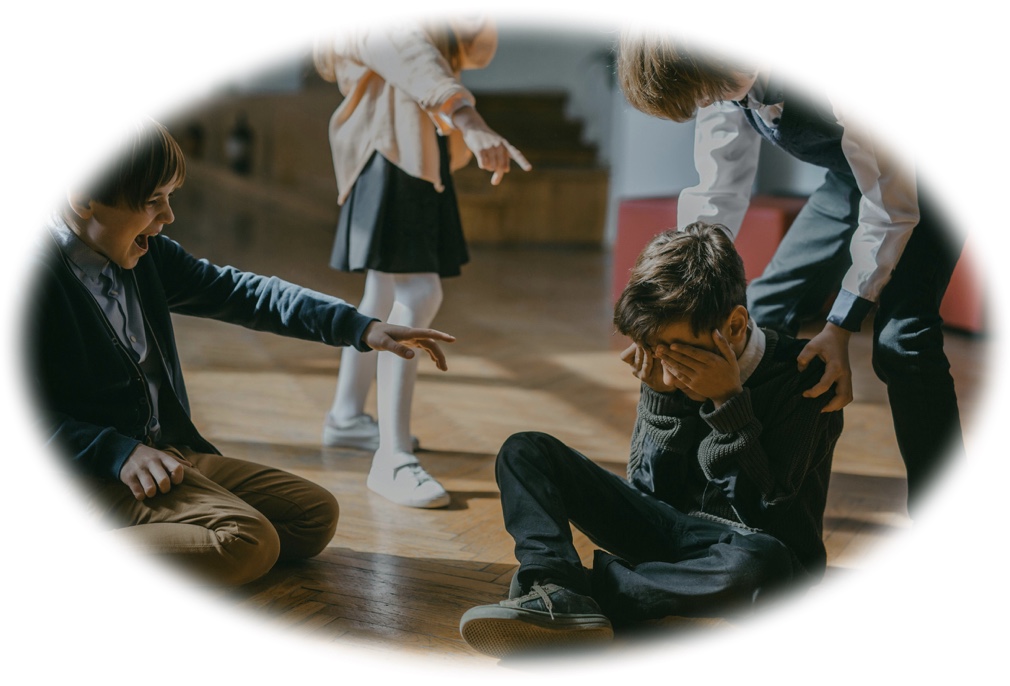
Bullying, on the other hand, is action. It is the enforcement arm of prejudice. It is non-argumentative: the shove in the hallway, the public shaming, the online mob that silences dissent. Bullying is what gives prejudice teeth. Without bullying, prejudice is just words. With bullying, prejudice becomes domination.
I saw this play out firsthand in high school. As a senior, I asked out a junior girl. Her friends expelled her from their group because she was “dating an older man.” The prejudice was false. I actually was her age, just young for my grade. But the bullying was real: she was cast out, shamed, and left to navigate the minefield of high school alone for a while, until the group graciously allowed her back in. That act of exclusion changed her life. Rather than breaking her, it pushed her toward compassion. She dedicated herself to serving the underserved, became a lawyer, and eventually rose to represent the United States at UNESCO. One act of bullying redirected an entire life’s course.
This distinction matters far beyond high school drama. Attacking prejudice in the name of social progress often becomes a cover for silencing speech. That may advance revolutionary ideas in the short term, but it undermines the very freedoms that make true progress possible. Attacking bullying, however, is not an attack on freedom. Bullying violates the old moral code, the one that schools once upheld before religion and moral teaching were pushed out. Bullying is clearly punishable. To oppose bullying is to defend dignity, not suppress liberty.
If we want a healthier society, we must learn to tell the difference. Prejudice is opinion, and opinions must remain free, even when offensive. Bullying is coercion, and coercion must be restrained. The tragedy of our current debates is that we have reversed the priorities: we police prejudice while tolerating bullying. We shame opinions while allowing intimidation to flourish.
The right target is bullying. Until we recognize that, we will keep missing the mark, and the cost will be measured not only in lost civility, but in lives diverted or destroyed by the simple, brutal fact of exclusion.

About Richard P. Weigand
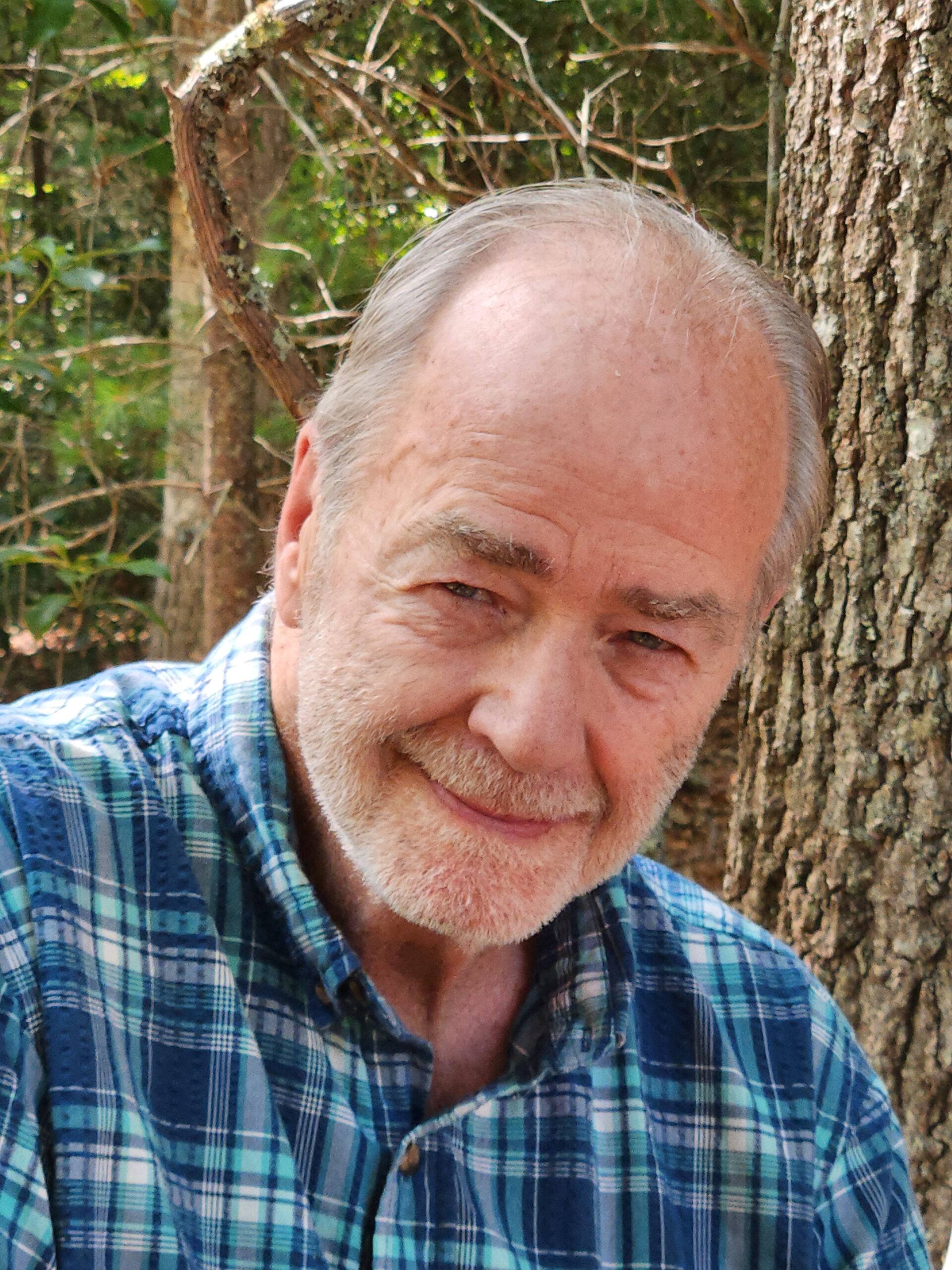
Born in 1946 and currently living in rural Virginia, Richard has spent most of his life engaged in trouble shooting of one kind or another. He has been referred to as a business psychologist, a label he does not relish. He’s also a Vietnam War veteran, having served in the United States Navy. Beginning at an early stage he often found himself being asked to solve problems for others, something he seemed to have a knack for. By the early 1990s the “knack” had turned into a profession, with Richard working in Hollywood consulting artists, directors, producers, musicians, and actors; from novices on up to and including Academy Award nominees. As that business grew, his client base expanded to all types of professions, from the unemployed to the heads of big businesses around the world—often with spectacular success. Ultimately these wins led to offers from a South American government to help them analyze and clean up the corruption in their police and military, including advising the government on its handling of the drug cartels. A skilled investigator and a published poet, Richard today devotes most of his time to research and writing and has several projects scheduled for future publication.